
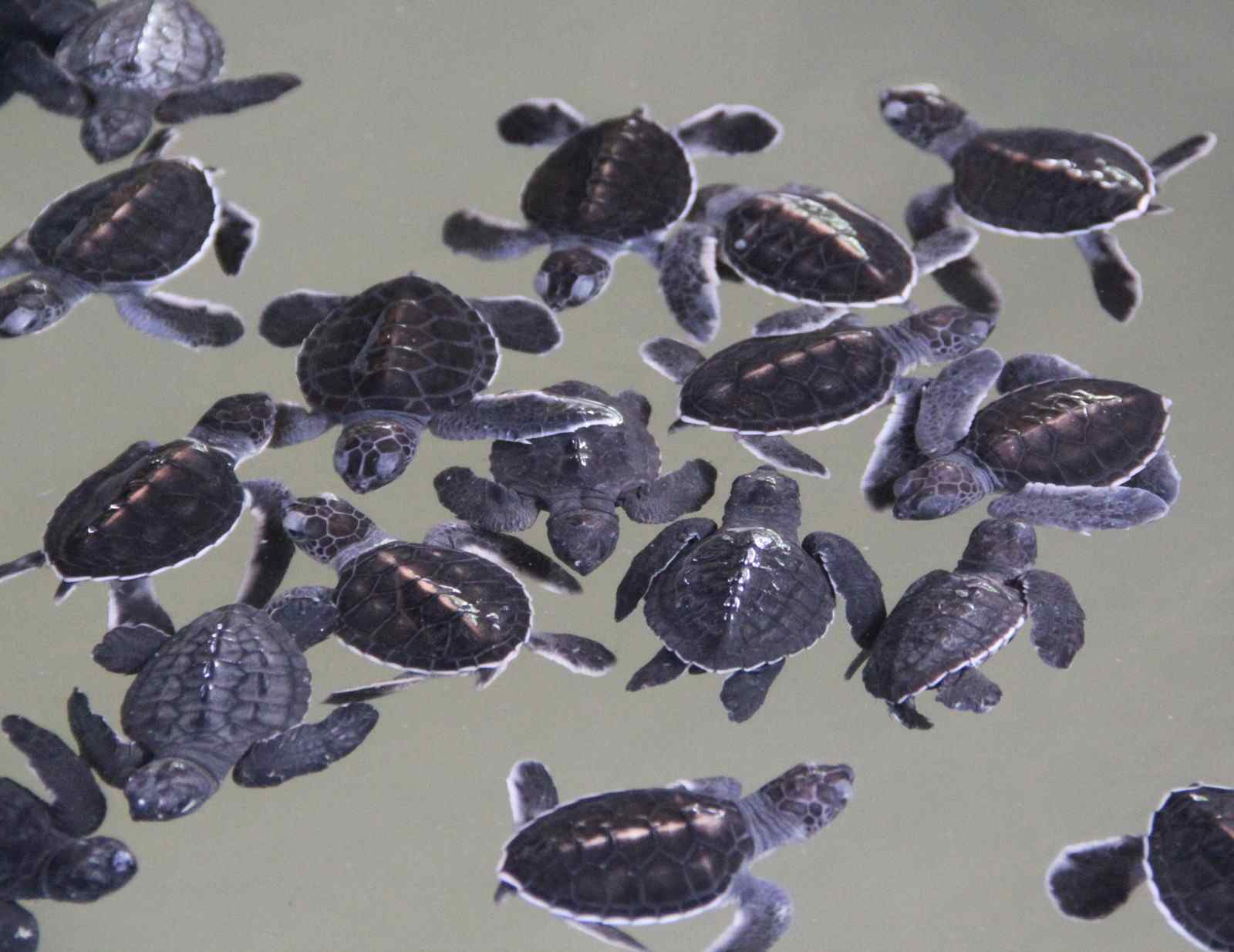
Kosgoda is a ten-minute drive south of the Madu Ganga jetties, and it is the reason so many Madu River tours are sold as half-day combos. The beach here is a genuine nesting site, and it has been for as long as anyone has been counting.
What has grown up alongside that is a strip of privately run hatcheries with widely different standards, all using the same vocabulary.
What a hatchery actually does
The core activity is straightforward. Egg collectors walk the beach at night and find nests. Historically those eggs went into the local food market. Hatcheries buy them instead, rebury them in a fenced patch of sand, and release the hatchlings when they emerge.
That transaction — money to a collector, eggs into protected sand — is the defensible heart of the model. Whether a given hatchery is doing conservation or theatre depends entirely on what happens next.
What good practice looks like
- Eggs reburied promptly, in shaded, fenced sand, with the nest date marked.
- Hatchlings released the same night they emerge. Not held for days in a tank to be shown to visitors.
- Released at night, at the waterline, unaided. The scramble down the beach is how a hatchling imprints and builds the strength to swim off the shelf.
- Adult turtles present only if injured, undergoing treatment, and with a stated plan to release.
- No handling by visitors. None.
- Records kept — nest counts, species, release numbers — and shown if you ask.
What poor practice looks like
- Tanks of hatchlings kept for days or weeks “so visitors can see them”
- Daytime releases staged for photographs
- Permanently resident adult turtles in small concrete tanks with no injury and no release plan
- Visitors invited to pick up or hold animals
- Albino turtles displayed as an attraction
- Aggressive donation pressure at the exit
How to visit well
-
Go late afternoon if you can
Nests are checked and releases happen towards dusk. A mid-morning visit on the way back from the boat shows you the exhibits, not the work.
-
Look at the nest enclosure first
Marked nests with dates, shaded sand, an intact fence. This is the part that matters and it is usually the part nobody looks at.
-
Count the adults, and ask why each one is there
A good answer names an injury and a plan. A vague answer about rescue with no timeline is the answer.
-
Decline the handling and the daytime release
Say no to holding a hatchling and no to releasing one at 11:00. If that is the main offer, you are in an aquarium.
-
Pay where the practice is good
Entry fees and honest donations are what funds nest protection. Withholding money from a good operation helps nobody.
The species you may see
- Green turtle (Chelonia mydas) — the most common nester on this coast and the one usually in the tanks.
- Olive ridley (Lepidochelys olivacea) — smaller, also frequent.
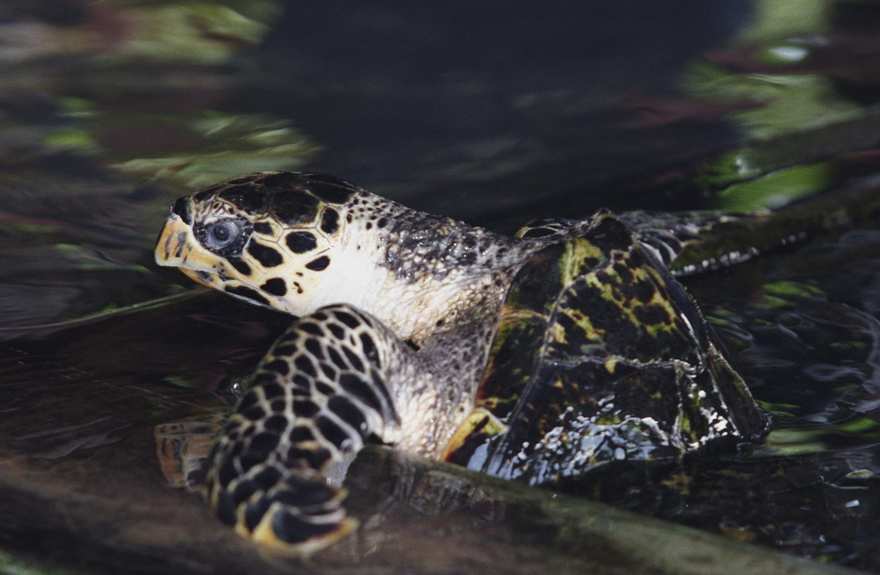
- Hawksbill (Eretmochelys imbricata) — narrow, beaked head and overlapping scutes. Critically endangered globally.
- Loggerhead (Caretta caretta) — heavy head, powerful jaws. Less common here.
- Leatherback (Dermochelys coriacea) — the giant, with a ridged leathery back instead of a shell. Nests rarely on this stretch and is a genuine event when it does.
All five are protected under Sri Lanka’s Fauna and Flora Protection Ordinance. Taking eggs, killing turtles and trading in shell are all offences — which is precisely why the buy-the-eggs model exists in the grey space it does.
Combining it with the boat trip
This is the most-sold pairing on the south-west coast, and the logistics are easy: the river in the early morning, the hatchery on the way back, lunch by noon.
The honest note is that the timing is backwards. The boat trip is best at dawn and the hatchery is best at dusk, and no half-day tour delivers both. If turtles are the priority, do the hatchery as a separate late-afternoon trip; if the river is the priority, take the standard combo and treat the hatchery as a twenty-minute look.
Add the hatchery if
- You are travelling with children who want to see turtles
- You want the drive from Bentota or Galle to earn its keep
- You will actually inspect the nest enclosure rather than just the tanks
- You are prepared to pay entry in cash on top of the tour price
- You are staying nearby and can pick a good hatchery in advance
Do it separately if
- You care about seeing a real release, which happens after dark
- You want the full two-hour river circuit without rushing
- You are uncomfortable paying into an operation you have not vetted
- You are on a full-day tour from Colombo that is already tight
- You would rather spend the time on the water
The uncomfortable part
Hatcheries exist because of a market failure: eggs were worth more as food than as turtles. Buying them changed that. But paying collectors also creates a demand for collected eggs, and a nest that would have hatched safely on its own is now worth money to dig up.
Nobody on this coast has fully resolved that tension. The best operations minimise it — short holding times, night releases, proper records — and the worst make it worse while charging admission. Your entrance fee is a vote on which of those survives.
Sources
- Department of Wildlife Conservation, Sri Lanka Fauna and Flora Protection Ordinance and protected marine species
- IUCN Red List — marine turtles Conservation status of the five species nesting in Sri Lanka
- GetYourGuide — Madu River and turtle hatchery combinations Which products include hatchery entry, checked 26 August 2026
Frequently asked questions
Which turtles nest in Sri Lanka?
Five species come ashore on Sri Lankan beaches — green, olive ridley, hawksbill, loggerhead and leatherback. All five are protected under the Fauna and Flora Protection Ordinance, and all five are listed as threatened internationally. Green and olive ridley are the ones you are most likely to encounter at Kosgoda.
Is the Kosgoda turtle hatchery ethical?
It depends which one. Buying eggs from collectors and reburying them in a protected patch of beach is defensible and probably prevents them being eaten. Keeping hatchlings in tanks for days, holding adult turtles permanently, and letting visitors handle animals are not.
How much does the turtle hatchery cost?
Entry is paid separately from your boat or tour, in cash, at the gate. It is almost never included even in packages that advertise the hatchery by name — check your voucher wording before you assume otherwise.
Can I release a baby turtle?
Several hatcheries offer it, usually for an extra donation and usually during the day. Hatchlings should reach the sea at night, immediately after emerging, and unaided. A daytime release for a photograph reduces the animal's chances. Decline it.
What time is best to visit?
Late afternoon, if you want to see anything happening. Most visitors arrive mid-morning on the way back from a boat trip, which is the quietest part of the hatchery's day.
Should I skip the hatchery entirely?
Not necessarily. Go, look carefully, and pay only where the practices are defensible. Boycotting the whole strip also defunds the ones doing genuine nest protection.
Keep reading
- The Ethics of a Madu River Boat TripA protected wetland with no gate, forty boats and no enforcement on the water. Most of the damage is casual rather than malicious, and most of it stops if a passenger asks.
- Madu River from Galle and UnawatunaForty kilometres north, thirty-five minutes on the expressway. From Galle the boat trip stops being a morning errand and becomes a day out — so build the day properly.
- What You Actually See on a Madu River TourEvery Madu Ganga boat makes the same three or four stops. Two of them are genuinely interesting, one is a novelty and one is a shop. Here is how to tell them apart before you pay.
- Madu River Boat Operators — Who Runs WhatThere is no association, no register and no grading. What exists is a row of jetties, about eleven business names that keep appearing in map searches, and a great deal of overlap between them.